Services / Enterprise software implementation / Odoo
Odoo, implemented around how you really work
Odoo is a modular business suite covering accounting, sales, inventory, manufacturing, projects, HR, point of sale, ecommerce and more. We help you decide whether it fits, then implement it so your people actually use it.
Overview
Odoo brings finance, sales, purchasing, inventory, manufacturing, projects, people and customer-facing tools into one connected system. Organisations can start with the apps they need and add more as they grow.
It is available as a free open-source Community edition and a paid Enterprise edition, and can run in Odoo's cloud or on your own infrastructure. That flexibility is a strength, and it also means the right set-up needs careful choices.
Our role is to make those choices with you: which apps, which edition, how to configure for each country and entity, and where customisation genuinely adds value.
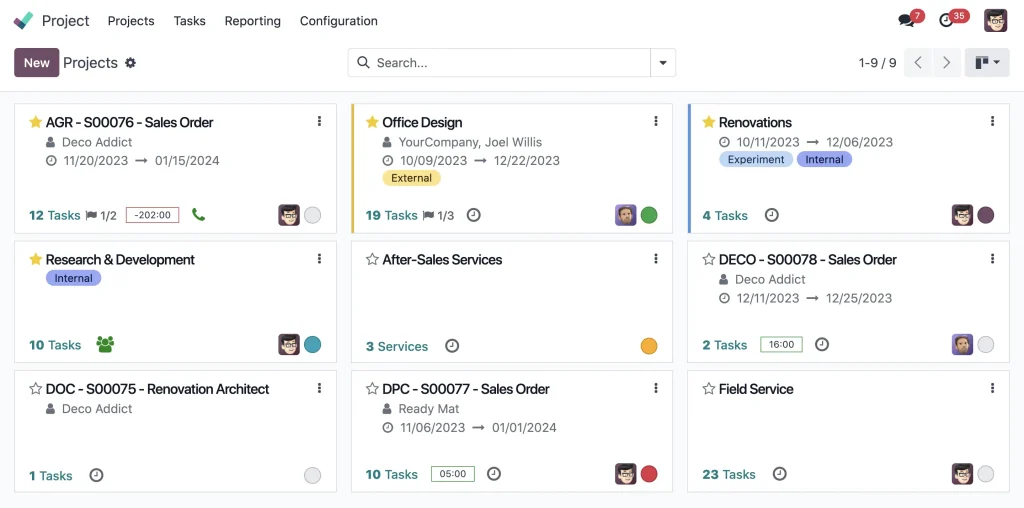
Why organisations choose Odoo
One connected suite
Finance, sales, inventory, manufacturing, projects and people share one data model, so teams stop re-keying.
Start small, grow at your pace
Begin with the apps you need today and add more as the business grows.
Flexible deployment
Run it in the cloud or on your own infrastructure, in the edition that suits you.
Built for change
Configure workflows and fields, and extend carefully where it adds value.
Who benefits
Finance leaders
A faster close, clearer controls and one set of numbers.
Operations leaders
Live stock, production and purchasing in one place.
Sales and service teams
Quotes, orders and customer history without switching tools.
What we do
Fit-gap and design
Match your processes to the standard apps and decide where to adapt and where to customise.
Configuration and localisation
Set up companies, currencies, taxes and approvals for each country you operate in.
Data migration
Clean, map and validate your records, and rehearse the cut-over.
Integration
Connect ecommerce, payments, banks, shop-floor and other systems.
Training and go-live
Role-based training, a go-live plan and support from day one.
Support and upgrades
Health checks, enhancements and version upgrades.
Apps we implement
- Accounting
- Sales and CRM
- Purchase
- Inventory
- Manufacturing
- Quality
- Maintenance
- Project and Timesheets
- HR and Payroll
- Point of Sale
- Website and eCommerce
- Rental
- Field Service
- Helpdesk
- Documents and Sign
- Studio and custom apps
A proven path for Odoo
- 01
Discover and fit-gap
Map processes and see where the standard apps fit.
- 02
Design and configure
Blueprint, configure apps, roles and approvals.
- 03
Build and integrate
Develop only what adds value and connect other systems.
- 04
Migrate and test
Cleanse and load data, then test with real users.
- 05
Go live and improve
Train, launch with support and optimise.
Case studies
Programme-scale examples of how we have delivered Odoo for organisations in different industries.

One platform for a multi-plant manufacturer
Planning ran in plant-level spreadsheets, accounting sat in a separate package, and every month-end needed manual consolidation across currencies.
Result. Planning moved from weekly spreadsheets to one shared live plan across all plants.
Read the case study
A single platform for a multi-store retail group
Each store ran its own till and stock sheet.
Result. Head office saw sales and margin by store every morning.
Read the case study
Batch, expiry and recall control for a healthcare distributor
Batches and expiry dates were tracked by hand.
Result. Write-offs from expired stock fell as picking followed expiry.
Read the case study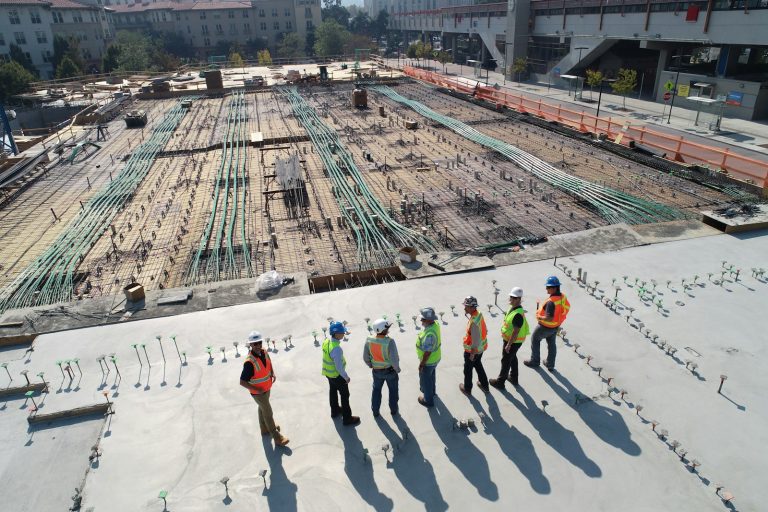
Credit control and logistics for a contractor-focused trader
Large contractor credit exposure was tracked in spreadsheets, unit conversions caused pricing errors, and delivery paperwork delayed invoices and fed disputes.
Result. Credit exposure became visible by customer and project and was acted on early.
Read the case study
Bookings, instalments and project cost for a developer
Unit bookings, instalment plans and collections sat in spreadsheets, and contractor bills were reconciled to project budgets by hand.
Result. Collections were tracked automatically against each plan.
Read the case study
Contracts, work orders and billing for a facilities provider
Contract terms lived in documents, work orders in a separate tool and timesheets on paper, so billing missed work done and margin by contract was unknown.
Result. Invoicing cycles shortened because work orders fed billing directly.
Read the case study
One back office for a multi-campus school group
Each campus handled admissions, fees and purchasing differently.
Result. Fee collection was tracked daily across all campuses.
Read the case study
Lot traceability and yield control for a food producer
Ingredient lots could not be linked to finished lots quickly, yield was estimated, and customer audits required days of record gathering.
Result. Traceability reports were produced on demand for audits.
Read the case study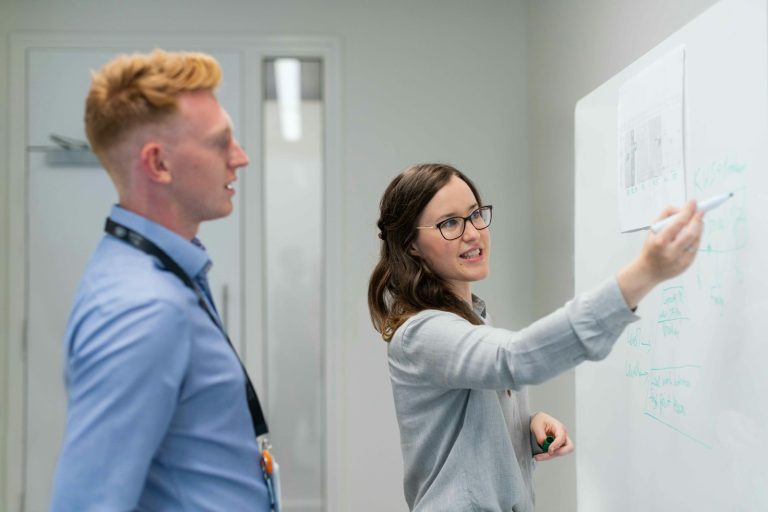
Project profitability for a multi-office agency
Timesheets, supplier invoices and billing sat in different tools, so profit by job was only known after the fact and billing lagged delivery.
Result. Job profitability became visible during delivery.
Read the case study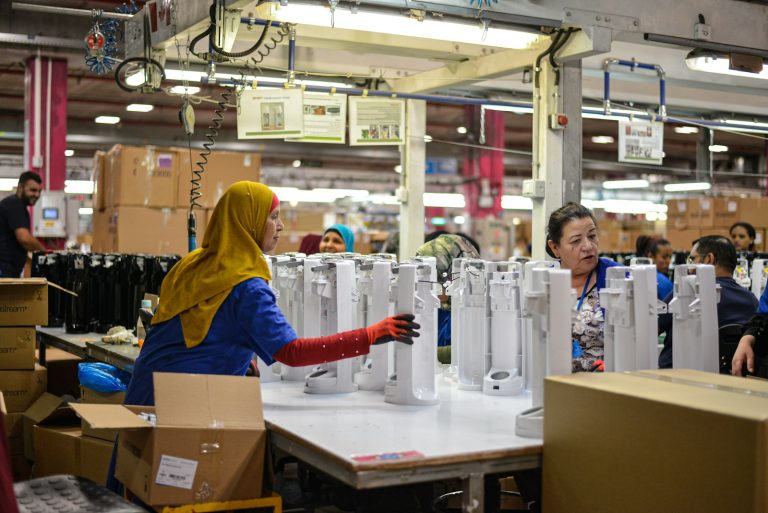
Utilisation and maintenance for a rental fleet
Machines, rentals and maintenance were tracked on separate sheets.
Result. Utilisation became visible by asset and depot.
Read the case study