Case studies / Retail
Case studySixty stores, one view: a retail group on a single Odoo platform
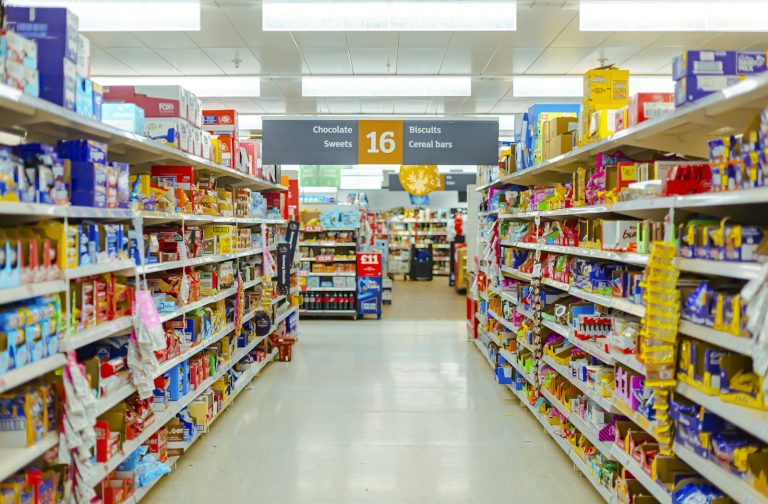
A multi-brand retail group with around sixty stores, a central warehouse and an online shop moved tills, stock, replenishment and ecommerce onto one Odoo platform.
Overview
A family-founded retail group trading under several brands, with around sixty stores in high streets and regional shopping centres, one central warehouse and a growing online shop. Store managers had a great deal of autonomy, which had served the group well until it began to scale.
Scale. Four brands, tens of thousands of products and daily promotions running across around sixty stores and online.
The challenge
Each store ran its own till and kept its own stock sheet. The tills came from different generations and suppliers, and the sheets were updated when staff had time, which in a busy week meant rarely.
Head office learned about sales and margin days after the fact. By the time a promotion was shown to be losing money, it had usually finished, and the next one had been planned on the same assumptions.
Replenishment was done by habit. Experienced managers ordered what they had always ordered, newer managers ordered cautiously, and the central warehouse carried both the overstock and the shortfalls.
The online shop drew on a stock figure that was at best a day old. It regularly sold items that were not in stock anywhere, which meant cancelled orders, apologetic emails and customers who did not return.
The group's owners wanted to open more stores and grow online without adding a matching layer of head-office staff. That was not possible while every store kept its own records and the centre spent its time chasing information rather than using it.
The solution
Every store now runs Odoo point of sale with an offline mode, so a dropped connection does not stop trading. Sales sync back when the line returns, and loyalty points are recognised in any store and online.
Inventory is held by location across stores and the central warehouse, with store-to-store transfers for slow and fast movers. Replenishment rules are set by store and product, and they generate proposals that managers review rather than orders they write from scratch.
The online shop reads real-time stock, so it only sells what can be picked and shipped. Accounting produces a profit and loss for each store, which gives area managers a number they can act on rather than a group total they cannot influence.
Store managers have a simple daily routine on the platform: review overnight replenishment proposals, accept or adjust them, and check any transfers due in from other stores. Area managers see the same screens, which keeps conversations about stock grounded in shared facts.
The engagement
- Nine months
- Seven specialists
- Product, price and promotion design, Odoo point of sale, inventory, replenishment, ecommerce and accounting, five integrations, a three-store pilot and a regional rollout.
Integrations
- Payment terminals and mobile wallets
- Courier and returns platform
- Supplier price list uploads
- Loyalty and email marketing tools
- Daily sales feed to the group data warehouse
How we delivered it
- 01
Design one structure
Eight weeks
We designed one product, price and promotion structure across all brands, and agreed store operating procedures with area managers. Brand differences were kept where customers would notice them and removed where they only created work.
- 02
Configure and integrate
Twelve weeks
We configured Odoo point of sale, replenishment and ecommerce, and integrated payment terminals, mobile wallets and the courier and returns platform. Receipt layouts and loyalty rules were built with store staff in the room.
- 03
Three-store pilot
Six weeks
Three stores of different sizes went live first. The pilot surfaced till and receipt issues that testing had missed, and we fixed them and trained store managers before anything else moved.
- 04
Regional rollout
Twelve weeks
Stores went live region by region. The old tills ran in parallel for a short period in each region, so staff had a fallback while they built confidence.
Results
- Daily sales and margin by store at head office
- Online shop selling only available stock
- Promotions measured by product and store
- Replenishment driven by rules rather than habit
Head office now sees sales and margin by store every morning. Area managers start the week with the same numbers as the trading team, and conversations about poor performers happen while there is still time to respond.
Stock accuracy improved, and the online shop stopped selling items that were not available. Cancellations dropped to the occasional damaged item rather than a routine part of the customer service workload.
Promotions can be measured by product and store for the first time. The trading team now retires promotions that do not pay their way and repeats the ones that do, instead of relying on instinct and anecdote.
Replenishment proposals have also reduced the gap between experienced and newer store managers. Both now start from the same data, and the central warehouse sees steadier, more predictable demand.
We had been running sixty small businesses under one name. Now we run one business with sixty shop windows.
What made the difference
A pilot store exposed till and receipt issues before the wider rollout.