Insights / Article / SOP optimisation and continuous improvement
ArticleDaily huddles that actually improve operations
A ten-minute daily meeting at the workplace can surface problems early and build ownership, if it stays short, tracks a few measures and closes the loop.
Many teams already have a morning meeting. In some it is the most useful ten minutes of the day. In others it is a ritual: a manager reads out numbers, people nod and the same problems come back next week. The difference is rarely the people. It is the format.
A well-run daily huddle, held at the place where the work happens, surfaces problems while they are still small, gives everyone the same picture of the day and builds a habit of fixing things rather than living with them. Here is how to set one up so it earns its place.
Keep it short and standing
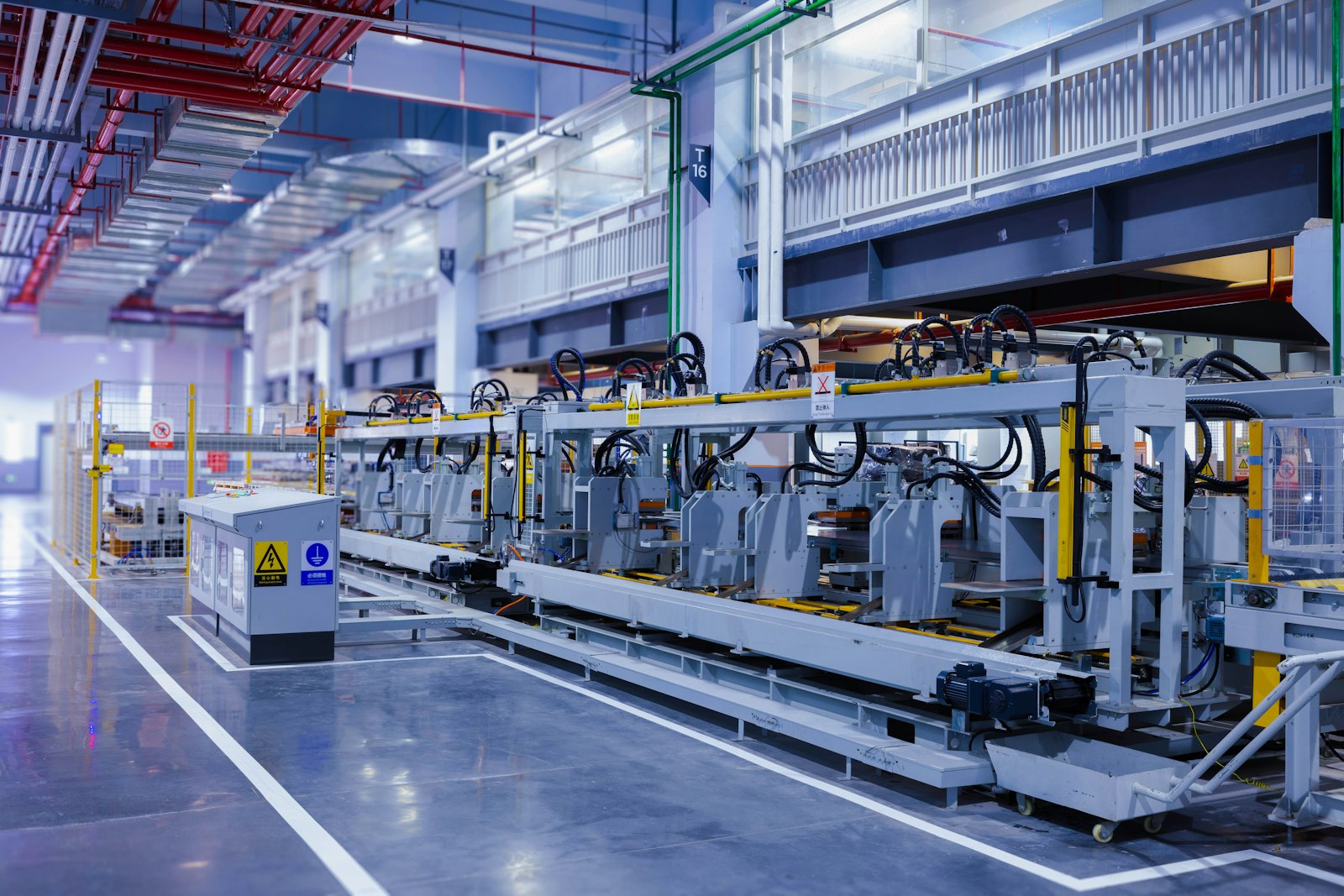
Ten to fifteen minutes is enough. Stand up, at the workplace, in front of a board. Standing keeps the pace brisk. Holding the huddle where the work happens means people can point at the problem rather than describe it, and nobody loses time walking to a meeting room.
Stick to a fixed agenda: how did yesterday go, what does today look like and what is blocking us. The fixed order matters more than it seems. People prepare when they know what is coming, and the meeting does not drift into long discussions that belong elsewhere.
- Same time, same place, every working day.
- The team leader runs it, but everyone speaks.
- Problems are named in the huddle and solved outside it.
- Anything that needs more than a minute of discussion gets an owner and a follow-up slot.
Track a few measures, visibly
The board is the backbone of the huddle. Keep it simple. Safety, quality, delivery and one measure the team cares about are enough. Each is shown as a plain daily mark: met or missed, green or red, with a short note when it is missed.
Resist the urge to add more. A board with fifteen charts gets glanced at; a board with four is read. The aim is not a full performance report but a quick, shared view of whether yesterday went to plan and what needs attention today.
Choosing the team measure
The fourth measure should be something the team can influence directly and wants to improve. In a warehouse it might be picks per hour or mis-picks. In a service team, cases closed on first contact. In finance, invoices processed without query. Let the team choose it; ownership starts there.
A simple board layout
- Measures: one row per measure, one column per day of the month, each day marked as met or missed.
- Today: planned volume, staffing, known risks such as a late delivery or a machine due for maintenance.
- Problems: anything that went wrong yesterday, written in a few words, with a tick when it has been dealt with.
- Actions: what will be done, by whom and by when, checked off the next day.
- Ideas: a small space for improvement suggestions, reviewed weekly rather than daily.
Mark the board by hand during or just before the huddle. The act of updating it in front of the team is part of the point: it shows the numbers are current and belong to the people who produced them, not to a report generated somewhere else.
Paper or screen?
A physical whiteboard works well on the shop floor and is easy to update. Teams that are distributed or office-based can use a shared digital board, but keep the same discipline: a few measures, updated daily, reviewed standing up where possible.
Close the loop on every action
Huddles fail most often because actions are raised and forgotten. Assign every action to a named person with a date, write it on the board and check it the next day. If it is done, say so and remove it. If not, ask what is in the way.
This small habit has a large effect. People learn that raising a problem leads to something happening, so they raise more problems, earlier. Leaders learn which issues keep returning, which points to root causes worth a deeper look.
A useful rule is that an action stays on the board until it is closed or consciously dropped. If an item has been open for more than a week, the team leader should either break it into smaller steps, escalate it or agree that it is no longer worth pursuing. A board cluttered with stale actions sends the same message as no board at all.
Escalate what the team cannot fix
Some problems sit outside the team’s control: a supplier delay, a system fault, a staffing gap. The huddle should have a clear route for these. The team leader takes them to the next level, often a short huddle of team leaders later in the morning, and brings an answer back the following day.
Reporting back is essential, even when the answer is not what the team hoped. Silence after an escalation teaches people that raising issues is pointless. A short reply, such as the supplier has committed to Thursday or this is on the IT list for next week, keeps trust intact.
Common ways huddles go wrong
- The meeting becomes a briefing where the manager talks and the team listens.
- It runs long because problems are solved in the huddle instead of outside it.
- The board is out of date, so nobody trusts it.
- Actions are written down but never checked.
- It is cancelled whenever things get busy, which is exactly when it is most needed.
Each of these is fixable with discipline from the team leader and support from the manager above. It helps if senior managers attend occasionally, listen more than they speak and take away one problem to solve themselves.
Starting next week
Pick one team. Put a board at their workplace with four measures and an action list. Agree a fixed time and the three-part agenda, and run it every day for a month. At the end of the month, ask the team what to keep and what to change. Most find they would not go back.
Source: Intelliversal analysis.