Case studies / Hospitality and Food Service
Case studyCentral kitchen transfers for a hospitality group
A multi-site restaurant group linked outlet orders to a central kitchen, costed recipes at current supplier prices and cut wastage once every site worked from the same data.
Overview
A hospitality group running casual dining restaurants and cafés across several cities, supplied by one central production kitchen that prepares sauces, doughs, desserts and portioned proteins.
Scale. Around 24 outlets, one central kitchen, more than 400 recipes and sub-recipes and about 60 regular suppliers, delivered as a phased, multi-location programme.
The challenge
Outlets over-ordered. Each restaurant sent its order to the central kitchen by message or spreadsheet, usually padded to avoid running out on a busy night. The kitchen produced to those orders, outlets threw away what they did not use and nobody could see the pattern across the group.
Recipe costing was handled differently in each place. The central kitchen kept one set of recipe cards, some outlets kept their own adapted versions and finance worked from costings that were often more than a year old. When a supplier raised the price of dairy or meat, menu margins changed without anyone noticing until the month-end results.
Wastage was recorded on paper sheets at some sites, in a spreadsheet at others and not at all at the busiest ones. Transfers from the central kitchen were valued at a flat rate rather than the cost of what was in them, so outlet profit figures were unreliable.
There was no single view. The operations director could not say which outlets wasted most, which dishes had lost margin or how much the central kitchen actually saved the group.
The solution
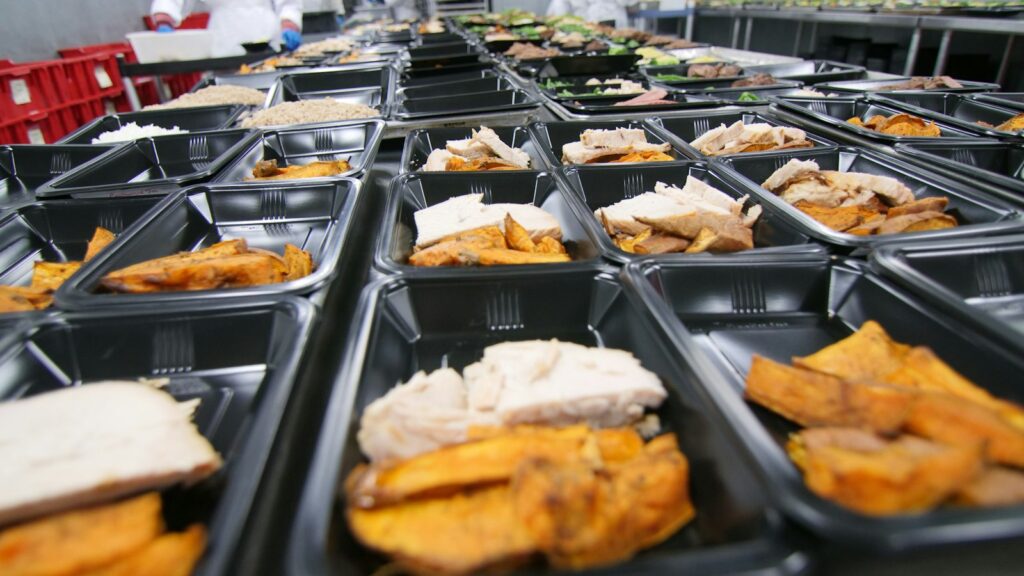
Outlets now order from the central kitchen through one process. The system suggests quantities based on recent sales and the day of the week, and head chefs adjust them before a daily cut-off. The central kitchen plans production from confirmed orders, and every transfer is valued at the actual cost of its recipe.
One recipe master holds every dish, sub-recipe and yield. When purchasing records a new supplier price, the cost of every recipe using that ingredient updates, and finance sees which menu items have moved outside their target margin.
Wastage is recorded daily on a tablet at each site, by item and reason: over-production, spoilage, returns or errors. Shared master data for ingredients, units, suppliers and outlets keeps the whole group consistent, and group reporting shows wastage, transfer volumes and margins by outlet and dish.
The engagement
- Seven months
- Five specialists, with the executive chef, central kitchen manager, purchasing and finance leads
- Process mapping, outlet ordering and central kitchen transfers, recipe costing, wastage recording, supplier price updates, shared master data, group reporting, pilot and phased rollout.
Integrations
- Time and expense capture
- Billing and client portals
- Banks and payments
- Management reporting
How we delivered it
- 01
Map the work with the people who do it
Five weeks
We spent service shifts in outlets and early mornings in the central kitchen with head chefs, kitchen porters, purchasing and finance. With the executive team we agreed the scope: ordering and transfers, recipe costing, wastage and supplier price changes.
- 02
Design common processes and integrations
Eight weeks
The executive chef and central kitchen manager built one recipe master with sub-recipes and yields. Head chefs asked for ordering that suggested quantities from recent sales rather than a blank form, and for wastage recording on a tablet by the pass. Purchasing linked supplier price lists to the ingredient master.
- 03
Pilot in one location
Six weeks
Two outlets and the central kitchen piloted together. Early weeks showed unit mismatches between suppliers and recipes, and suggested orders too low for weekend trade. Units were standardised and the suggestions adjusted for day of the week.
- 04
Roll out in waves and track results
Nine weeks
The remaining outlets followed in groups of five or six, each with on-shift training. Leadership reviewed wastage, transfer volumes and recipe margins monthly.
Results
- Wastage fell
- Recipes costed at current supplier prices
- Transfers valued at true cost
- Teams worked from the same data across locations
Wastage fell. Daily recording made patterns visible, and head chefs could see which items they were consistently over-ordering. Suggested orders based on actual sales replaced padded guesses, and the central kitchen produced closer to what outlets used.
The group now costs recipes at current prices. When dairy and protein prices rose during the year, finance identified the affected dishes within days and the executive chef adjusted portion specifications and menu prices at the next menu change rather than months later.
Teams worked from the same data across locations, outlet results became credible because transfers carried their true cost, and leadership could review results monthly.
We used to find out a dish had stopped making money at the quarterly review. Now we know the week the supplier price changes.
What made the difference
The group costed recipes at current prices and reduced waste. A small pilot with two outlets exposed unit mismatches and weekend ordering problems while they were cheap to fix.