Insights / Guide / Digital campaigns and sales growth
GuideDigital campaigns and sales growth: the complete guide
Spend goes to what works, leads are ones sales want and results are tied to revenue. A practical guide to planning, running, tracking and reviewing digital campaigns.
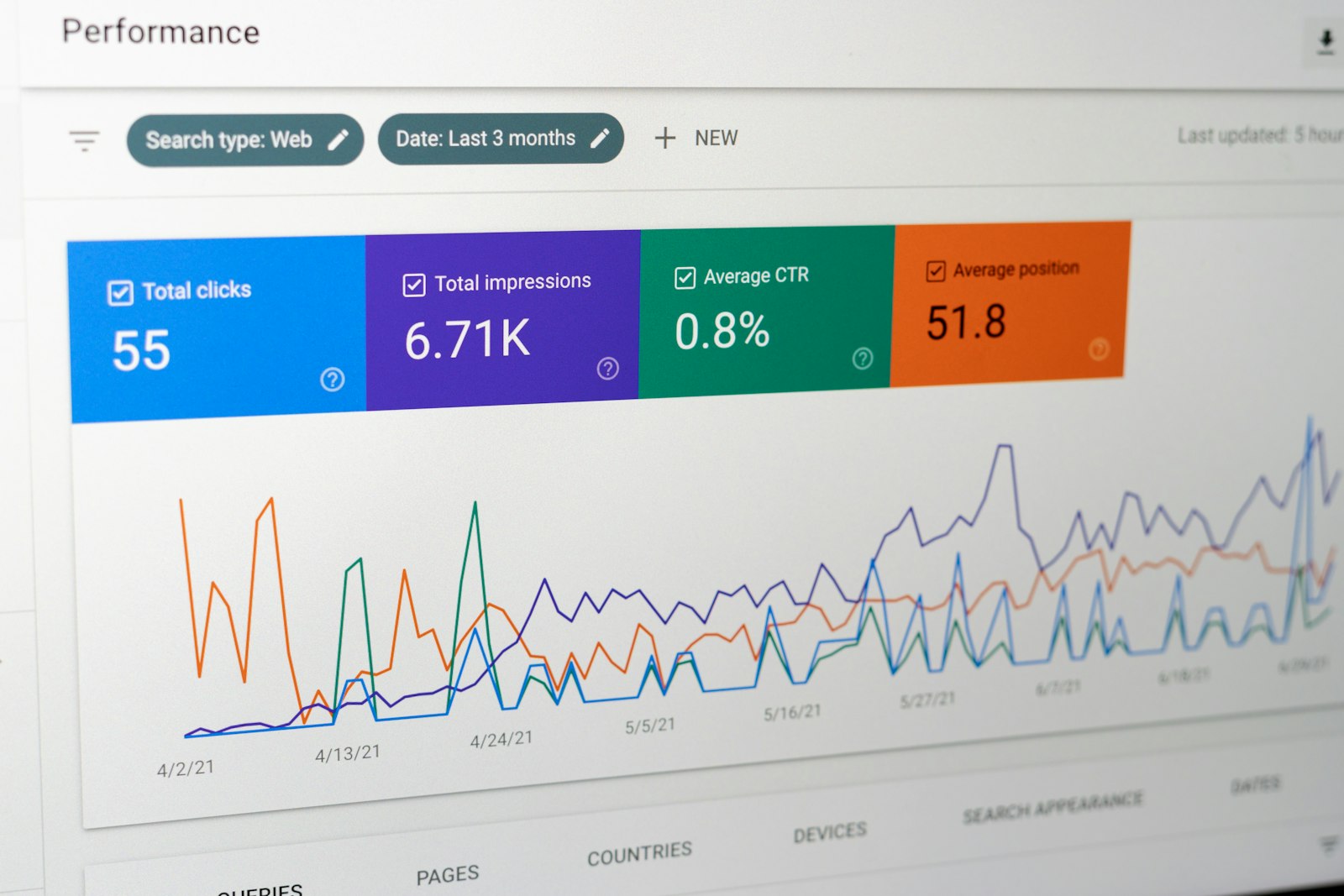
Digital marketing offers more channels, more data and more ways to spend money than ever. Many businesses run campaigns across search, social, email, content and marketplaces, yet struggle to say which of them produce customers. Budgets are set by habit, reports show clicks and impressions and the sales team complains about lead quality.
A disciplined approach to digital campaigns changes that. It plans campaigns around business goals, runs them with clear targeting and fresh creative, tracks results through to revenue and reviews performance often enough to move money to what works. This guide covers each part, drawing on the briefings in this series.
Plan campaigns around goals
Start with the business goal, not the channel. ‘Run a social campaign’ is an activity; ‘win twenty new trade accounts in the north-west this quarter’ is a goal. A clear goal tells you who to target, what message to use, which channels are likely to reach them and how to judge success.
- Define the goal in business terms: customers, revenue, retention or market entry.
- Describe the target audience precisely, ideally using existing customer segments.
- Choose the message and offer that matter to that audience.
- Select channels based on where the audience researches and buys.
- Set the budget, the measures of success and the review points before launch.
Plan the mix of activity across the buying journey. Awareness campaigns reach people who do not yet know you; consideration campaigns help people compare; conversion campaigns encourage action. Most businesses over-invest in conversion and under-invest in content that builds familiarity and trust earlier on.
Write a short brief for every significant campaign, covering the goal, audience, message, offer, channels, budget, timing and measures. A one-page brief takes an hour to write and saves far more time later, because agencies, designers and sales teams all work from the same understanding.
Run performance marketing, social and content
Performance marketing, such as paid search and paid social, can produce results quickly and is easy to adjust. It rewards tight targeting, relevant landing pages and constant testing of keywords, audiences and creative. Creative wears out: the same advert shown repeatedly to the same audience loses effect, so plan to refresh images, headlines and offers regularly.
Content and lead generation work over a longer period. Content that answers real customer questions earns attention and trust and keeps working long after it is published. Build content from the questions sales and service teams hear every day, answer them clearly and keep them current. Useful guides, tools and webinars can generate leads, but only if they attract the right people.
Write for the reader
Content written for people rather than algorithms performs better over time, in search and in sales conversations. Lead with a clear answer and use the customer’s own words.
Social media and email
Organic social media builds familiarity and gives customers a way to see the people and work behind the organisation. It rarely produces many direct sales on its own, so judge it on reach among target audiences and engagement. Email remains one of the most cost-effective channels for existing customers and engaged prospects, provided lists are kept clean, consent is respected and messages are relevant. Segment email lists and send fewer, better messages rather than frequent general ones.
Focus on lead quality
A thousand weak leads cost more than a hundred good ones. Each lead takes time to contact and qualify, and sales teams flooded with poor leads soon stop trusting marketing. Lead quality beats lead volume.
- Agree the definition of a good lead with sales, based on your best existing customers.
- Score and route leads on fit and behaviour, so the best reach sales quickly.
- Nurture leads that fit but are not ready, with useful content and occasional contact.
- Review outcomes monthly: which sources produce customers, and why leads are rejected.
- Measure marketing on qualified pipeline and revenue influenced, not raw lead counts.
Consider a typical industrial supplier whose campaigns produced plenty of leads but few sales. After agreeing a definition with sales and reviewing which sources converted, it cut spend on broad social campaigns, expanded technical webinars and focused search on product-specific terms. Lead numbers fell, but qualified pipeline grew and sales follow-up improved.

Track honestly and accept imperfect attribution
Without tracking, you cannot tell which campaigns create customers. Define goals and events, such as what counts as an enquiry, a lead and a customer. Tag every link consistently with source, medium and campaign, using an agreed naming convention. Connect marketing data to customer and sales records, so the original campaign travels with each lead to the closed deal.
Even with good tracking, attribution is imperfect. Customers interact with several campaigns before buying, some interactions cannot be tracked and privacy rules and consent choices limit what can be recorded. Avoid overclaiming. Use several views, such as first source, last source and the share of deals touched by each channel, and run experiments, such as pausing a channel in one region, to test what really drives results.
Be clear with leadership about what the data can and cannot show. Present ranges and trends rather than false precision, and explain the assumptions behind any attribution figures. Leaders who understand the limits of the data make better budget decisions than those who are given a single, overconfident number.
Privacy rules shape tracking. Use consent tools that reflect what you actually track, collect only the data you need and involve whoever handles data protection when you change tracking or integrations.
Review and reallocate weekly
Data only helps if it changes decisions. A short weekly review, typically thirty minutes, keeps campaigns on track and moves money to what works.
- Look at a few numbers: spend, qualified leads, cost per qualified lead, opportunities and revenue by channel and campaign.
- Ask what changed since last week, and why.
- Decide actions: increase, reduce, pause or test, with an owner for each.
- Record decisions, so the team can see what was tried and what happened.
Keep a running log of tests and their results: what was changed, for how long, what happened and what was decided. Over a year this log becomes one of the most valuable assets the marketing team owns, because it stops the same ideas being tested repeatedly and helps new team members learn quickly what works for your customers.
Hold a deeper monthly or quarterly review with sales and finance, looking at results through to revenue and adjusting the overall mix. Over time, this rhythm builds a repeatable growth engine: a clear view of which campaigns create customers at what cost, and the discipline to act on it.
What you will achieve
A disciplined approach to digital campaigns delivers a lower cost per customer, more qualified pipeline, clear reporting that marketing, sales and finance trust and a repeatable growth engine that can be scaled with confidence. Spend goes to what works, leads are ones sales want and results are tied to revenue.
A practical first step is to agree the definition of a good lead with sales and look at the last six months of leads by source. That analysis usually shows where to move the next quarter’s budget.
Source: Intelliversal analysis, drawing on the briefings in this series.